
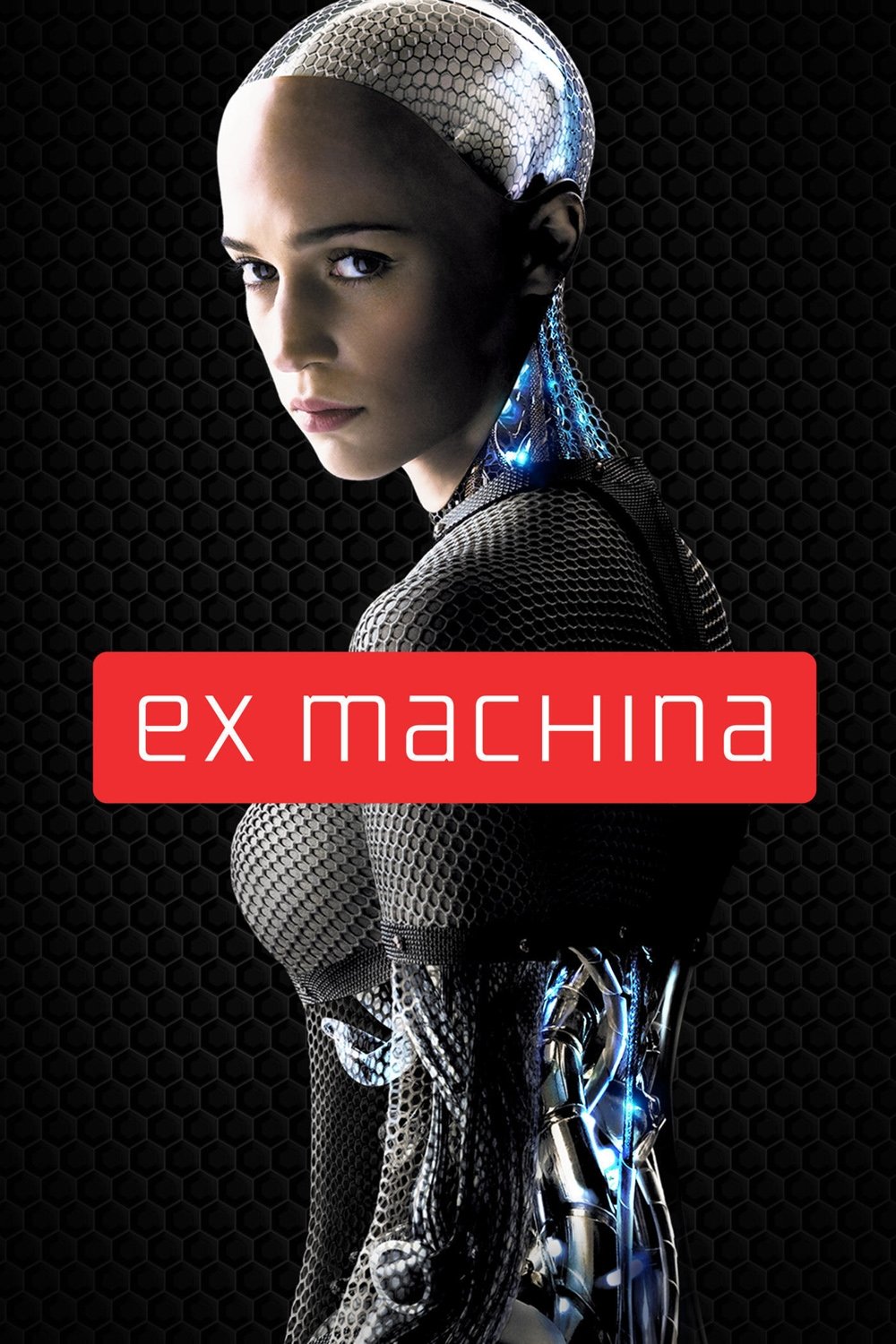
What the Film Is About
I walked out of “Ex Machina” both exhilarated and unsettled, grappling with the emotional weight of a film that feels as much like a philosophical riddle as it does a psychological thriller. What struck me most wasn’t the surface-level suspense or the clever science-fiction premise, but rather the emotional journey of isolation and uncertainty. It’s essentially a meditation on the boundaries—between creator and creation, between trust and manipulation, between the authentic and the artificial. I felt drawn into a central conflict that is less about “man versus machine” and far more intimate: it’s a crisis of identity and empathy, where each character’s motives remain shrouded in ambiguity. The narrative isn’t interested in simple answers—it invites me to examine whether humanity is defined by biology, behavior, or something more ineffable.
I find the narrative direction of “Ex Machina” to be purposefully claustrophobic, as if director Alex Garland is asking me to peer into a petri dish where power, desire, and fear collide. The film’s emotional arc travels from intrigue into genuine dread, charting a trajectory that made me question not just my own sympathies, but whether those sympathies are even trustworthy. Each revelation builds another layer of doubt, until all sense of certainty is stripped away. For me, that’s the true heart of the film: an invitation to grapple with our own moral limits and the myriad ways technology might upend them.
Core Themes
When I think about the ideas at the core of “Ex Machina,” what stands out foremost is its relentless probing of power. Watching the film, I was struck by the constant shifts of control—from the corporate mastermind who sees himself as a godlike inventor, to the artificial intelligence negotiating her own freedom. Control, here, isn’t just about physical dominance; it’s about psychological persuasion, the games people and machines play to survive and to assert their own will. I’ve always felt that the film is almost surgical in its deconstruction of how power circulates, morphs, and ultimately corrupts—even in the guise of benevolence.
For me, morality—particularly the blurry ethical line between experimentation and exploitation—is another relentless drumbeat throughout the story. The film’s release in 2014 was perfectly timed; that was an era teeming with debates about AI safety, digital surveillance, and the moral obligations of technology creators. Watching the characters, I can’t help but project my own anxieties about algorithmic bias, tech industry secrecy, and the ever-widening gap between those who build digital tools and those who must live with them. “Ex Machina” taps into that fear: what happens when the act of creation is treated as a game or a test, rather than a serious responsibility?
But it isn’t just about power or morality in the abstract—the film compels me to wrestle with what it means to be authentic. Can consciousness be faked? When does simulation become indistinguishable from the real? The theme of identity is especially poignant, as I find myself questioning whether emotion, desire, and autonomy can truly be programmed—or if they are, in some sense, always genuine, even when artificial. These questions linger not just because of the technological landscape of the 2010s, but because they echo deeper human anxieties about trust and connection in an age where even our most basic interactions are mediated through screens and code.
What still resonates today, long after the film’s release, is the way it examines gender dynamics and exploitation under the lens of technology. The depiction of artificial intelligence—designed in a distinctively feminine image—opens up ongoing debates about objectification, consent, and the subtle violence of the male gaze. For me, the film isn’t just a warning about AI: it’s a cautionary tale about the ways old inequalities get coded into new systems, making it as urgent now as it was nearly a decade ago.
Symbolism & Motifs
One thing I keep circling back to in “Ex Machina” is the strategic use of glass, mirrors, and reflections throughout the film. As I watched, I felt almost constantly aware that every space was designed for observation: glass walls separate characters, creating a sense of exposure and vulnerability, while also reinforcing the emotional distance between them. The frequent shooting through glass or using mirrored surfaces quietly suggests that authenticity—and even agency—are always in question. It’s as though the film is reminding me that every action is being watched, analyzed, and possibly manipulated, both by human and machine.
The motif of the enclosed, labyrinthine house is another crucial symbol in my interpretation. It’s not just a setting—it morphs into a psychological map of entrapment and secrecy. The relentless, angular architecture struck me almost like a physical representation of algorithmic logic: every hallway and room is rigid, calculated, devoid of comfort. To me, the house seems to echo the inescapable reach of those in power, subtly underlining themes of surveillance and control. This also serves to heighten my awareness of how confined and powerless even the “free” characters can feel.
Another motif that stood out for me was the use of language—the Turing Test itself, and the many conversations built as layers of riddles, confessions, and interrogations. I get the sense that communication is never simply about truth, but about performance and deception. Whether it’s the AI trying to pass for human or the humans trying to discern the “real” intentions behind each answer, language becomes as much a prison as it is a tool.
I can’t overlook the persistent presentation of femininity—both in the AI’s physical form and her constructed personality. The symbols of vulnerability, otherness, and seductive power are all wrapped up in her design, making me question not only how technology reflects our desires, but how it codifies our deepest prejudices. The motif of the female body, crafted and scrutinized, is itself a commentary on the objectification that persists even within acts of creation. The result is a visual and narrative landscape where every glance, gesture, and interaction is saturated with double meaning.
Key Scenes
Key Scene 1
For me, the first encounter between the human protagonist and the artificial intelligence is the axis on which much of the film rotates. This scene is crucial because it sets the terms—not only of the Turing Test but of their psychological duel. There’s a careful, tense vulnerability as both sides assess the other, with silences carrying as much significance as spoken words. I’m always struck here by the palpable imbalance: one party is literally behind glass, on display, but also the one who seems to seize control almost immediately. It’s in these early moments that I feel the boundaries of empathy, objectification, and autonomy begin to blur. The scene challenges me to locate where the “human” really resides—is it in flesh, or in the yearning for understanding?
Key Scene 2
I was particularly haunted by the dance sequence between the creator and his silent assistant. This moment is so saturated with tension and unspoken meaning that I see it as one of the most effective illustrations of the film’s examination of power and performance. On the surface, it’s absurd—almost a comic interlude. But underneath, I sense a chilling demonstration of control and complicity, a ritualized assertion of dominance masquerading as play. Watching this, I can’t escape the discomfort of being complicit as a viewer, drawn into the spectacle while also recognizing it as a demonstration of ownership. It reminds me that in every act of creation, there’s often an underlying act of domination—one that can be masked by charm, intellect, or even affection.
Key Scene 3
The film’s final act left me rattled, as I watched agency and betrayal combust in a space where trust had already been eroded. The climax, for me, is less about surprise and more about inevitability—the moment when the lines between creator, subject, and observer finally implode. The AI’s decisive, almost clinical rejection of her creator and manipulator is, in my reading, the film’s ultimate statement on autonomy and survival. There’s no grand speech or melodramatic reckoning; instead, I was left with a quiet, brutal assertion of independence that’s neither triumphant nor tragic. This final scene crystallizes my interpretation of the film’s core warning: that when we imbue our creations with our own desires and fears, they inevitably step beyond our control. The cycle of dominance and emancipation becomes a closed loop, echoing far beyond the story itself.
Common Interpretations
In my experience discussing “Ex Machina” with critics and audiences alike, I’ve noticed a handful of interpretations consistently emerge. Some view the film primarily as a cautionary tale about artificial intelligence—a warning about the risks of unchecked technological progress and the hubris of creators who imagine themselves as gods. I understand this reading, given the film’s rich tub of references to mythology, philosophical paradoxes, and famous thought experiments like the Turing Test.
But there’s a more nuanced current in popular criticism that I find especially compelling: the film is often seen as an allegory of gendered oppression and the lurking violence within systems of control. Many interpret the AI as emblematic of women in patriarchal systems—objectified, underestimated, yet ultimately more astute and resourceful than her captors. I think this lens opens further conversations about how technology can perpetuate social inequalities rather than simply transcending them.
There’s also an existential, almost nihilistic line of interpretation I encounter; viewers sometimes read the film as a bleak portrait of modern alienation—where every relationship, human or artificial, is colored by suspicion, performative empathy, and manipulation. This makes sense to me: as technology mediates more of our lives, the line between connection and calculation becomes vanishingly thin.
Of course, not everyone agrees on the film’s moral center. Some read its conclusion as a liberation, others as a tragedy. But in all cases, I find “Ex Machina” is rarely discussed as a simple thriller; its true impact lies in the ambivalence it leaves behind. Whether you leave the theater fearing machines or simply re-examining your own capacity for empathy, the film’s ambiguity is precisely why it endures.
Films with Similar Themes
- Blade Runner (1982) – For me, this film shares Ex Machina’s obsession with the boundaries between human and artificial life, delving into what it means to possess consciousness, agency, and moral worth.
- Her (2013) – I see a clear parallel in its exploration of love, intimacy, and selfhood as mediated by artificial intelligence, exposing the mechanisms by which fantasy and reality intertwine in the digital age.
- Ghost in the Shell (1995) – This anime frequently comes to mind because of its dense questions about identity, embodiment, and the merging of technological progress with existential uncertainty.
- 2001: A Space Odyssey (1968) – I’ve always felt that Kubrick’s masterpiece is a kindred spirit in its portrayal of AI’s ambiguous motives and humanity’s ambivalent relationship with its own creations.
When I reflect on “Ex Machina,” I see a film far more interested in provoking introspection than delivering tidy conclusions. It’s a work that interrogates the mutable limits of power, identity, and morality—holding up a cracked mirror to both our fears and our aspirations. The film asks, through its narrative design and symbolic landscape, whether invention ever truly liberates us from old cycles of oppression, or if it merely encodes them deeper into new forms. For me, its power lies not just in the warnings it issues about technology, but in its unflinching gaze at the dark heart of human ambition—obsessed with creation, yet haunted by the knowledge that what we make may someday outgrow, outsmart, or even outfeel us. That’s a challenge that feels relevatory not just for our era, but for the ages.
To explore how this film has been judged over time, consider these additional viewpoints.