
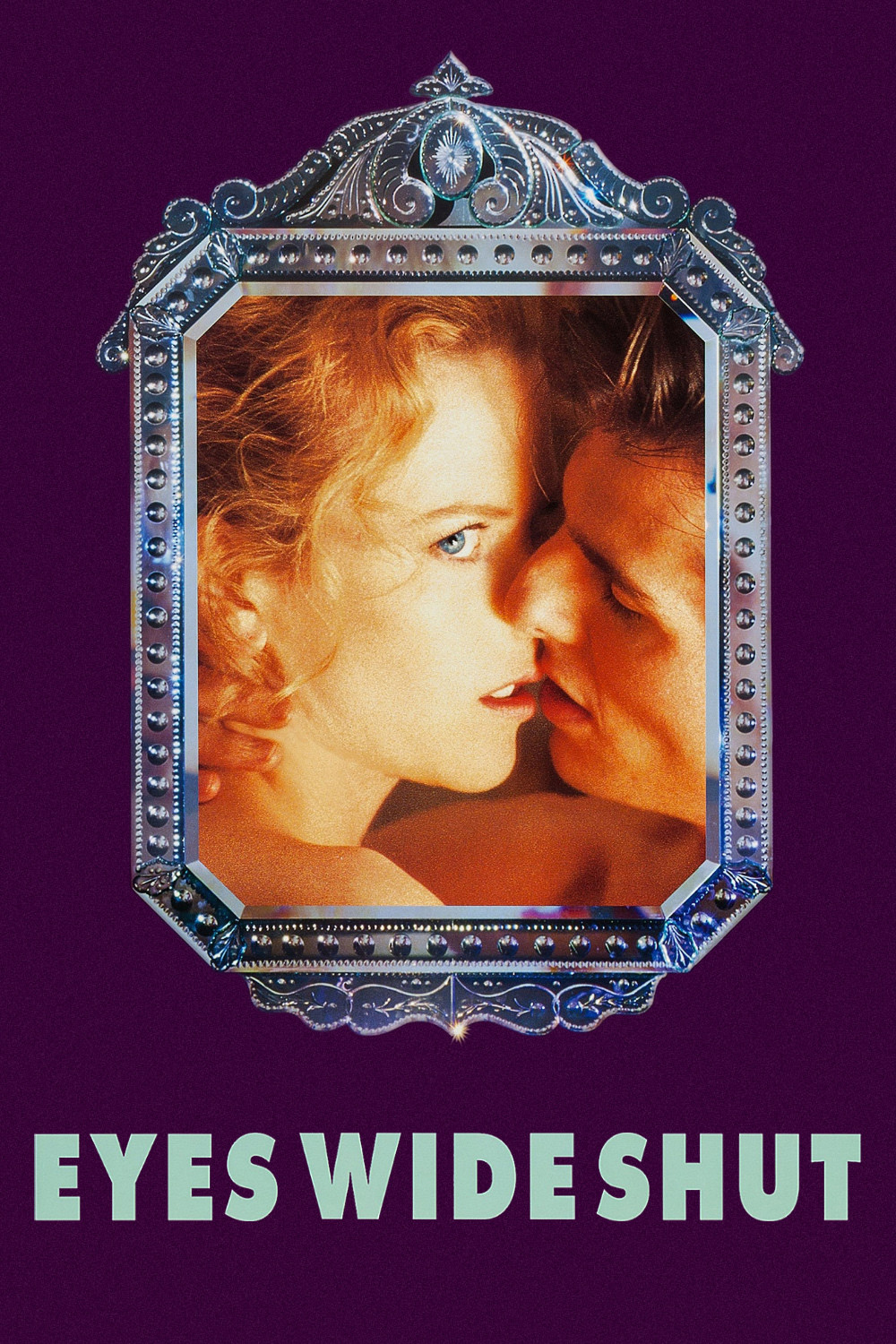
What the Film Is About
Every time I return to Eyes Wide Shut, I’m struck first by its sense of unease—a persistent, languid dread curling beneath the surface of its glamorous, privileged world. For me, this film is less a narrative in the traditional sense and more an immersive psychological odyssey. I see it as a portrait of emotional dislocation, where desire, self-image, and trust can unravel almost overnight. Dr. Bill Harford, the protagonist, isn’t merely caught in extraordinary circumstances; he becomes lost within his own illusions and insecurities. What resonates most with me is the feeling of drifting on the edge of revelation and self-knowledge, yet always pulling back just before confronting deeper truths.
The emotional journey at the heart of the movie is, to my mind, a study in modern alienation. Lovers, spouses, and even friends aren’t true confidantes here; everyone speaks in code, surrounded by masks and rituals. The central conflict is not just between characters but within oneself. For me, the film’s power comes from the way it challenges the viewer to consider how much of our identities are constructed—through fantasy, repression, and the insistent demands of social performance.
Core Themes
What keeps me haunted by Eyes Wide Shut long after the credits roll is its deep engagement with the mysteries of desire, secrecy, and the search for authenticity. I find the film to be a meditation on marriage and fidelity—but not in any superficial sense. Instead, it probes the subconscious fears and temptations that linger just beyond the boundaries of polite conversation. Desire, in this world, is both alluring and destabilizing, threatening to overturn the delicate agreements upon which relationships are built.
The film’s fascination with power—and its uncanny relationship to sexuality and social status—always stands out to me. I can’t help but feel that the masked gatherings and rituals represent the impenetrable cores of wealth and privilege, where normal social rules are suspended so that hidden appetites can be expressed without fear of consequence. There’s a dark paradox here: the characters seek meaning and connection, yet their privilege only distances them further from real intimacy. Watching this in the late 1990s, I remember sensing an almost timely disillusionment, as the film asked whether absolute freedom, in the end, only leads to greater isolation.
Identity is another theme that shapes my understanding of the film. I’m repeatedly struck by the way characters assume roles—doctor, wife, stranger at a party, masked reveler—never fully stable, always at risk of being stripped away. For me, Kubrick isn’t concerned with stable, comforting truths; he wants to show the audience how fragile our constructed selves truly are. As I watch Harford meander through nighttime Manhattan, I feel the weight of self-doubt and the urge to escape the tidy boundaries of social expectation.
When I reflect on why these themes mattered in 1999—and why they still matter now—I see a world grappling with the erosion of privacy and the allure of transgression. In the age of constant surveillance and curated identities, the film’s questions about secrecy, honesty, and authenticity feel even more acute today than at the close of the twentieth century. The film asks: Who are we when no one is watching—when the mask is removed? That, for me, is the film’s most enduring question.
Symbolism & Motifs
I’m endlessly fascinated by the way Eyes Wide Shut weaves symbolic elements into its luxurious surfaces. The mask, more than any other object, recurs with unsettling insistence. To me, the act of donning a mask serves as a literal and metaphorical gesture—a way to hide desires from others and from oneself. Masks blur the lines between fantasy and reality, safety and danger, self and society. I see this as Kubrick’s meditation on what we conceal, not just from the world but from our closest companions.
The motif of light and shadow is another element that shapes my reading. Darkness, in this film, is not simply the absence of light; it’s where dreams and anxieties take on their most powerful forms. The festive, golden illumination of parties gives way to the eerie blue shadows of the city at night. I always interpret this as a visual metaphor for the veil between everyday life and the shadowy undercurrents of obsession, envy, and vulnerability that the characters try to deny.
Another aspect that consistently captures my attention is the recurring use of doors and thresholds. Almost every key moment is punctuated by a crossing—stepping into a party, into a bedroom, into a forbidden circle. For me, each transition becomes a possible point of no return, suggesting that knowledge of ourselves (and others) can be as treacherous as it is liberating.
Even colors—particularly deep reds, icy blues, and stark whites—feel loaded with meaning in Eyes Wide Shut. When I watch Harford navigating his way through these saturated spaces, I sense an entire emotional palette: lust, guilt, innocence lost, and desires forever deferred. These recurring visual cues do more than decorate the film—they reinforce its sense of mystery and destabilization, underscoring how easy it is to lose one’s bearings amidst the rituals of modern life.
Key Scenes
Key Scene 1
Of all the moments that have lingered in my imagination, the scene in which Alice confesses her own intimate fantasy is, in my eyes, one of the film’s most revealing. What stirs me is not just the act of confession, but the ripple effect it has on Bill’s sense of reality and masculinity. I find this moment crucial because it punctures the sanitized illusion of the couple’s marriage—the idea that mutual devotion is enough to prevent the intrusion of secret longing. To me, this is where the film strips away pretense, exposing the volatile territory that lies beneath the safety of routine. The tension, heartbreak, and awe conjured in this scene make it impossible to believe in simple, tidy resolutions.
Key Scene 2
Another scene that, for me, elevates the film’s interrogation of power and desire is the masked ball. Watching Harford weave through an opulent swirl of masked strangers, I feel an almost nauseating blend of voyeurism and vulnerability. The ritualistic atmosphere heightens the sense that nothing is as it seems; public personas slip away, replaced by a carnivorous anonymity. What I find so compelling about this sequence is how the threat of discovery coexists with the lure of liberation—nothing is truly forbidden, but nothing is truly safe either. In my experience, this scene crystallizes the link between privilege and moral ambiguity: the higher one climbs in society, the easier it is to lose sight of ethical boundaries.
Key Scene 3
The final conversation between Bill and Alice in their home, after the nightmarish journey has concluded, strikes me as a moment of profound ambiguity and honesty. There’s a vulnerability and rawness that I rarely encounter in mainstream cinema. For me, this is the true climax: not a confession or confrontation, but a mutual recognition of the complexity—and perhaps the necessity—of secrets. When Alice utters her closing line, I can’t help but interpret it as both a concession and a declaration: that life, and love, require us to face uncomfortable truths and then, somehow, continue anyway. It gives me the uneasy sense that clarity, when it comes, is always provisional. There are no final answers, only the resolve to keep moving forward together, masks in hand.
Common Interpretations
Every time I dive into conversations or read critical essays about Eyes Wide Shut, I’m struck by how many different—yet equally thoughtful—interpretations exist. For many viewers, the film operates as a cautionary tale about the dangers of repressing desire. These readings argue that by denying or hiding one’s deepest urges, individuals risk psychological collapse or alienation from those they love most. Personally, this rings true, but only captures a fraction of the film’s ambiguity.
Another widespread interpretation centers on the nature of power and class. I often encounter opinions that the orgiastic ritual amounts to a thinly veiled critique of the wealthy elite, whose very existence depends on secrecy and the suspension of ethical norms. Some go so far as to call the film a study in institutionalized corruption—a look at what happens when privilege shields individuals from the consequences of their desires. While I agree this is a potent reading, I find it works best alongside the more intimate emotional stakes of the story.
There’s a third, equally compelling line of thought that views the film as a commentary on the construction of reality itself. Here, Kubrick’s obsession with dreams and waking life—what is true, what is fantasy—reminds me of the fluidity of perception. For many, myself included, the entire narrative can be read as an extended dream sequence, daubed in symbols and subconscious anxieties. In my view, this interpretation brings the film closer to the tradition of surrealism, where events accrue meaning more through mood and suggestion than logic or chronology.
These differences are, for me, part of the film’s enduring brilliance. It never settles for a single, prescriptive takeaway. Instead, it invites each of us to interrogate our own anxieties about love, honesty, freedom, and the often unbridgeable gap between who we want to be and who we truly are.
Films with Similar Themes
- The Unbearable Lightness of Being – This film resonates for me as it explores the tensions between erotic freedom, emotional connection, and the ever-shifting landscape of fidelity. Both films offer nuanced examinations of marriage as a site of desire and disillusionment.
- Blue Velvet – Here, like in Eyes Wide Shut, the seemingly mundane surface of suburban life conceals dark, transgressive forces. I see both films as meditations on innocence lost and the seductions of forbidden knowledge.
- Last Tango in Paris – In my experience, this film’s raw exploration of sexuality, vulnerability, and the barriers to genuine intimacy makes it a thematic cousin. Both films challenge conventional morality even as they delve into their protagonists’ emotional confusion.
- Black Swan – Power, repression, and the fragmentation of self are central to both films. When I watch Black Swan, I feel the same dreamlike logic and intense focus on the consequences of concealed desires that defines Eyes Wide Shut.
Sometimes I think of Eyes Wide Shut as a fever dream at the turn of the millennium—a film that neither promises closure nor offers easy interpretations. For me, it captures the fragility of trust and the subtle violence of longing, beckoning the viewer into a world where every certainty is shadowed by doubt. It’s a portrait of a society that wears its wealth and sophistication like armor, but remains defenseless against its own unconscious fears and hopes. What stays with me most, even years later, is the sense that self-knowledge is not a destination, but a lifelong pursuit—fraught, necessary, and always, somehow, unfinished.
After learning the historical background, you may also want to explore how this film was received and remembered.