
What the Film Is About
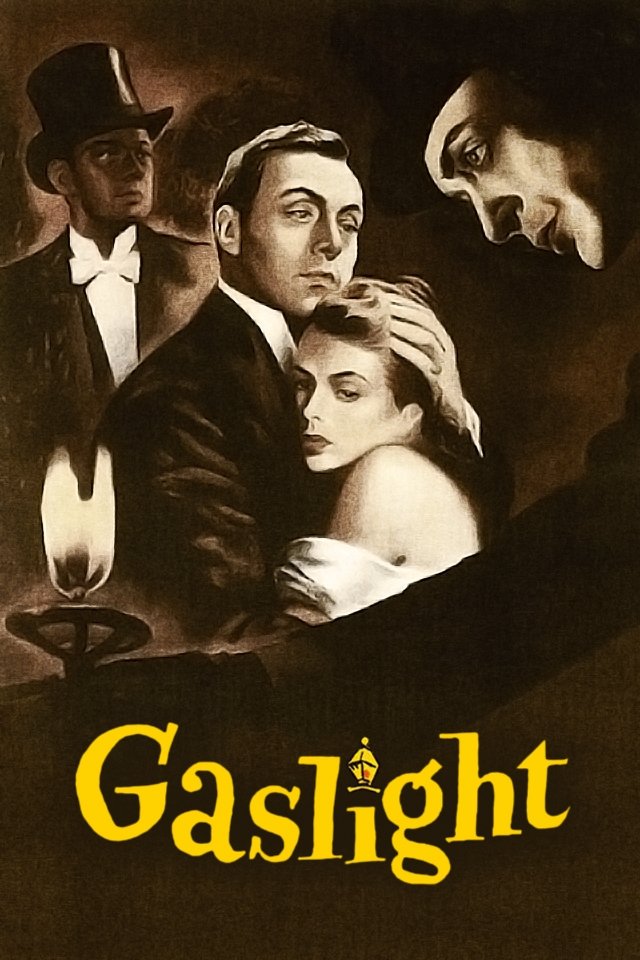
Rarely have I felt as uneasy or as personally implicated by a classic Hollywood thriller as I did while watching the 1944 adaptation of Gaslight. For me, this film cuts straight to the nerve of psychological manipulation—blurring reality, trust, and self-doubt so intricately that I found myself gripping the edge of my seat, not out of suspense for physical danger, but from a deep empathy toward the protagonist’s unraveling sense of self. At its core, Gaslight isn’t a simple narrative of villainy or deceit; rather, it’s an emotional journey through a labyrinth of power, coercion, and the longing for sanity. What resonated most with me is the way the film constructs its central conflict: it’s not just a struggle between two people, but a war waged within the mind, challenging our fundamental assumptions about love, truth, and control.
What lingers long after the closing credits is a profound sense of ambiguity—not only about whether justice has been served, but about how resilience is formed or eroded under the weight of relentless psychological pressure. This isn’t a story that offers easy catharsis or neat resolutions. Instead, I found myself haunted by the emotional bruises carried by the characters, and by the broader implications of what happens when someone’s reality is systematically dismantled by another. The film’s narrative direction, rising from love’s promise to the threat of madness and then to an uncertain restoration, felt to me like an invitation to examine not what is done to us, but how we reckon with it at our most vulnerable.
Core Themes
Reflecting on Gaslight, I see it as a film obsessed with the fragile architecture of reality and power. The dynamic between trust and betrayal forms the backbone of its thematic exploration. I often find myself revisiting the ways the film interrogates the very foundation of identity: what does it mean to know oneself when another person’s will becomes more convincing than our own perceptions? The word “gaslighting” has since entered our lexicon to describe a form of psychological abuse, but watching its origins unfold in this film, I’m struck by how deeply the concept resonates with the era’s anxieties around domesticity, authority, and gender roles.
For me, one of the most urgent themes is the weaponization of love. At a time when marriage was often an institution of trust and mutual dependency, the film sharply critiques how intimacy can be twisted into a tool of domination. I’m particularly moved by how the film frames the protagonist’s vulnerability—not as a personal failing, but as the tragic result of calculated, systemic control. Power, in Gaslight, is not a blunt instrument; it operates through subtlety, repetition, and the slow corruption of belief.
I also appreciate how the film probes the boundaries of sanity. The terrifying possibility of losing one’s grasp on reality—especially in an era when mental health was poorly understood and easily dismissed—infuses every frame. When I reflect on why these themes endure, I see their continued relevance in personal relationships, workplaces, politics, and the digital world. The struggle over “whose reality counts” has only intensified, making the emotional terrain of Gaslight as pertinent today as it was eighty years ago.
Symbolism & Motifs
Each time I revisit Gaslight, I’m mesmerized by its use of symbolism—none more potent than the titular gaslights themselves. To me, the flickering of the lamps captures something essential about the characters’ shifting perceptions and inner turmoil. When the lights dim and brighten unexpectedly, I don’t just see a technical trick or plot device; I see the visualization of doubt itself—the psychological erosion of what the protagonist knows to be true. The gaslights, for me, become an external barometer for the internal storm she’s forced to weather.
But there are quieter motifs as well. I notice how the film returns again and again to objects associated with memory: a brooch, letters, seemingly mundane household routines. These are not just props, but anchors to the protagonist’s past—each one under threat of erasure or distortion through her husband’s manipulation. I find myself pondering how these small testaments to her sanity take on disproportionate weight once her reality is questioned. Manipulation becomes a kind of theft: not just of memory, but of the meaning and safety attached to one’s own belongings.
Mirrors, too, hold a special place in my viewing experience. The reflective surfaces scattered throughout the cinematography are not simply decorative; for me, they suggest the doubled—or even shattered—identity forced upon the film’s heroine. I’m left with the sense that every glance in the mirror is fraught with tension: who is she, really, now that her perception has been deliberately destabilized? In this way, the setting itself becomes a symbol—a domestic space, once a haven, transformed into a stage for psychological warfare.
Key Scenes
Key Scene 1
The first moment that truly encapsulated Gaslight’s anxiety for me is the scene when the protagonist first confronts the dimming lights, only to have her concerns casually dismissed. It’s not just a turning point for her character, but a showcase for the insidious nature of subtle manipulation. I found myself deeply unsettled, not by what is said, but by what is implied—the isolation, the calculated reassurance masking cold dismissal. The emotional significance here, for me, lies in the creation of doubt: not only does the protagonist begin to question her own sanity, but I, as a viewer, am urged to question the stability of reality itself. The gaslights become an unspoken language of coercion, communicating more than any dialogue could.
Key Scene 2
Another scene that I keep returning to is when the protagonist tries to defend her own perception against a barrage of contradictory evidence and patronizing assurances. There’s a moment of desperation where she attempts, perhaps for the last time, to assert what she knows to be true. Watching this, I feel the narrative’s core theme—the struggle to retain one’s voice in the face of domination—reaching a fever pitch. Every denial and dismissal operates on two levels: it is a challenge to her facts, yes, but also a threat to her very selfhood. I see this as a direct appeal to anyone who has ever experienced doubt sown by authority or affection—the film is inviting us not just to witness her challenge, but to recognize it in our own lives.
Key Scene 3
Toward the film’s climax, there is a moment of reckoning—one that, in my mind, serves as both a climax and a meditation on restoration. The protagonist, having endured endless manipulation, is finally given a chance to confront her tormentor directly. For me, this scene is less about triumph and more about what survival actually means in the wake of trauma. What is striking here isn’t the simplicity of justice being served, but the visible wounds left behind by prolonged psychological abuse. The film, in this crucial moment, avoids tidy answers, leaving me to reflect on what has truly been regained, and what has been irreparably lost. The tension between catharsis and ambiguity captures something central to the film’s meaning: the recovery of truth is never complete or uncomplicated.
Common Interpretations
As I consider the broader critical and popular responses to Gaslight, I notice most interpretations revolve around the theme of psychological abuse—a term and concept the film helped define for later generations. Many have identified the story as a parable of domestic tyranny, an incisive critique of patriarchal control at a time when such conversations were far from the mainstream. I’ve often seen the film cited in discussions about how easily trust and authority can be weaponized against the vulnerable, especially within the supposed safety of the home.
Yet, I’ve also read interpretations that emphasize the film’s broader critique of power itself—not limited to marriage or gender, but applicable to any situation where reality can be shaped by those who hold authority. For some, the film resonates as a warning about the dangers of isolation and the need for outside perspective—how easy it becomes to lose oneself when cut off from support and independent verification. I tend to agree with these readings, not as mutually exclusive, but as different facets of a complex exploration of the human psyche under duress.
There are also, interestingly, more personal interpretations. I have encountered viewers who see the film as a story of resilience: that even after enduring betrayal and gaslighting, it is possible to reclaim trust in one’s own experience. For me, this offers both hope and a sober reminder that healing isn’t automatic or guaranteed—it’s an ongoing negotiation, shaped by both internal strength and external validation.
Films with Similar Themes
- Rebecca (1940) – I see this film as kin to Gaslight in its exploration of a woman’s psychological disintegration within a foreboding home, dominated by both real and intangible forces.
- Who’s Afraid of Virginia Woolf? (1966) – To me, this film offers a raw dissection of marital power games and the unraveling of reality itself, echoing Gaslight’s themes of manipulation and emotional battlefields.
- The Girl on the Train (2016) – This modern psychological thriller resonates with Gaslight in its depiction of self-doubt, unreliable memory, and the danger of being manipulated by those claiming to care.
- Gone Girl (2014) – I find that this film similarly uses intimate relationships as a stage for deception, power play, and the consequences of distorted realities becoming public narratives.
When I reflect on everything that Gaslight communicates, I come away with the conviction that the film is a plea for vigilance: not only in guarding our own reality, but in believing those who sound alarms about their experience. It challenges me to ask where the line is drawn between love and control, between reassurance and erasure, and what responsibility we have to one another both as individuals and members of society. The shadow cast by this story stretches far beyond its period setting, offering an enduring meditation on trust, sanity, and the resilience of the human spirit in the face of insidious threat.
After learning the historical background, you may also want to explore how this film was received and remembered.