
What the Film Is About
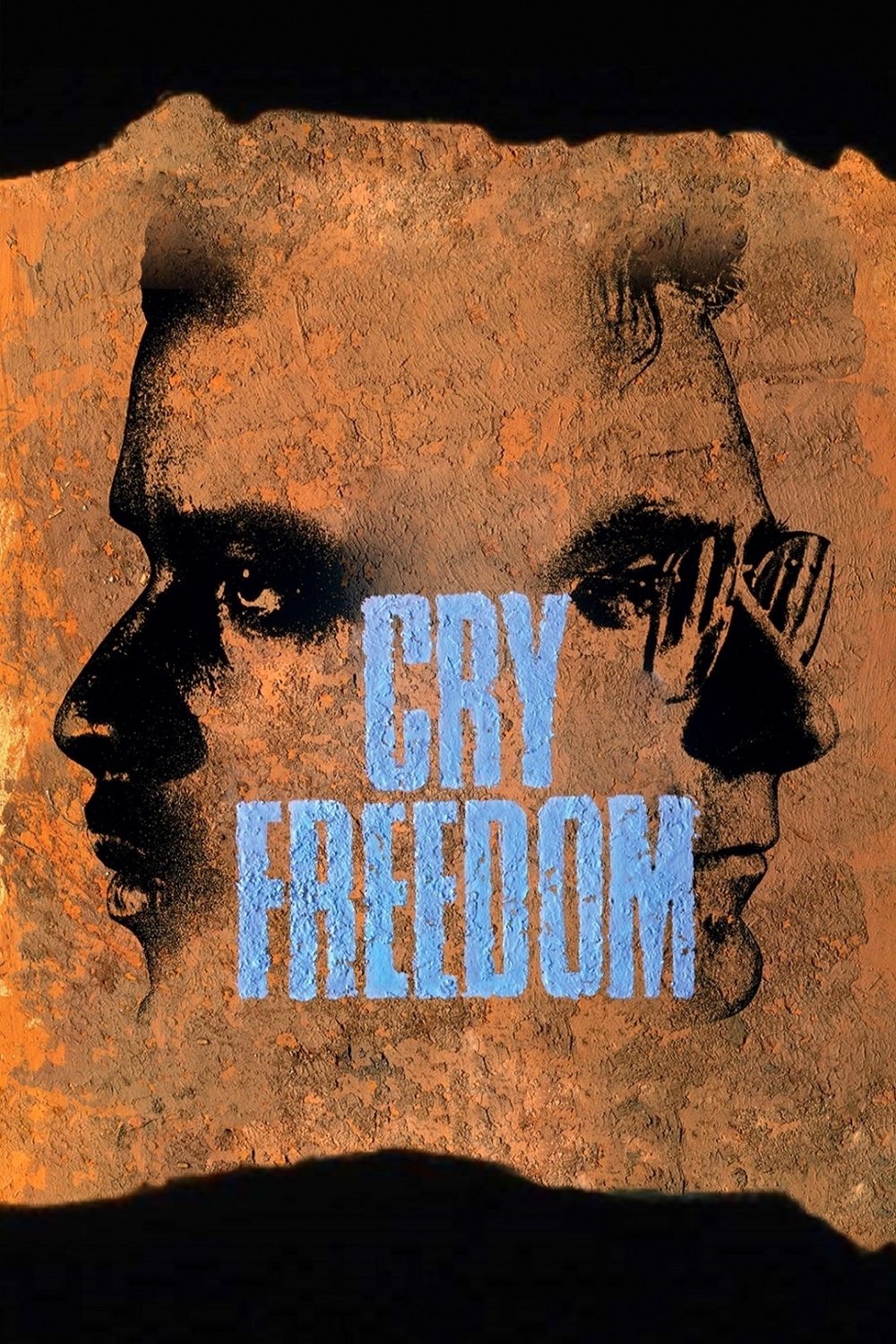
When I first watched Cry Freedom, what struck me wasn’t just the specific events depicted or the historic reality of apartheid-era South Africa. Instead, I found myself drawn deeply into an urgent and intimate emotional journey. At the heart of the film is the unlikely friendship between two men living on opposite sides of a violently enforced racial divide: South African activist Steve Biko and white journalist Donald Woods. Their story, for me, is less about individuals and more about how two people try to connect against the framework of systemic injustice, risking everything—not only their careers or reputations, but their lives—out of a profound moral necessity. The central conflict, as I see it, isn’t just the obvious war against apartheid policy, but something more internal: the collision between comfort and conscience. There’s a persistent hum of tension as Woods is pulled from the safety of privilege into solidarity with Biko, and the film tracks how that personal evolution comes at mounting emotional and existential cost.
What kept echoing in my mind was the way Cry Freedom uses its narrative direction to illuminate the cost of truth-telling against the machinery of oppression. The emotional arc is harrowing—hope is kindled by connection, yet threatened by the brutal visibility of the regime’s power. I found it fascinating how the film makes you feel not only the gross external threat but also the cumulative, interior bravery required to keep fighting when success seems impossible. It is, in many ways, a chronicle of awakening, sacrifice, and the price that ordinary people are forced to pay for a more just society.
Core Themes
To me, Cry Freedom is fundamentally a meditation on moral courage. The film dives into the conflict between passive complicity and active resistance. This isn’t simply a “good versus evil” tale; it’s about the messy, incremental process through which people find the clarity to take stands that may cost them everything. I’m always struck by how the film explores the seductive nature of comfort—how easy it is to ignore injustice when it doesn’t directly threaten you, and how terrifying it is to realize that by opening your eyes, you can never truly close them again.
Another persistent idea is the power of dialogue. The relationship between Biko and Woods isn’t one of simplistic hero worship or white-savior sentimentality; rather, their conversations are a vector for exploring how mutual respect and open-hearted listening can challenge the boundaries of inherited prejudice. For me, these exchanges symbolize the broader societal need for honest reckoning—a recognition that no real progress is possible without transformative, often uncomfortable, communication.
Social change is at the film’s core, but it’s presented through the lens of personal transformation. When I reflect on the era of its release, I’m reminded of the global swell of activism and the international movement against apartheid; at the time, these themes had immediate urgency. Watching now, I find their universality undiminished. The film invites me to ask: Where do I draw the line between witness and participant? What do I owe to justice beyond sympathy or outrage? These questions remain burning and relevant—especially in a world still marked by systemic inequality, and when the courage or fear to speak out can change the trajectory of whole societies.
Symbolism & Motifs
There are visual and narrative motifs throughout Cry Freedom that, in my experience, transform the film from mere historical recreation to something more poetic and lasting. One image that stays with me is the persistent use of doors, fences, and barriers. These are more than just features of the environment; to my eyes, they represent the formalized, everyday machinery of segregation and exclusion. Every time a character passes through a checkpoint, a locked door, or faces a boundary, I’m reminded of the literal and figurative limits imposed by apartheid—not just on movement, but on imagination, relationships, and even speech.
Another motif that resonates is visibility and blindness. Throughout the film, light and shadow are used not just to create atmosphere but to suggest who is meant to be seen and who is meant to remain invisible. The process of “coming into the light”—both figuratively by Woods, and literally as Biko’s story is exposed—takes on a moral dimension. I read the play of darkness and illumination as a comment on the perils and responsibilities of knowledge. To see, for these characters, is to become vulnerable, but also to become dangerous to the status quo.
There’s also recurring symbolism in the landscape itself—the sun-bleached townships, the crowded interiors, the vibrant gatherings. To me, these spaces evoke both the claustrophobia of oppression and, paradoxically, the resilience of community. The human bonds forged in these pressured environments feel more profound for their context: every act of joy, every conversation, becomes subtly political. In my view, the film is reminding me that spaces matter—the places where injustice is manufactured are also the crucibles where resistance takes root.
Key Scenes
Key Scene 1
For me, one of the film’s most galvanizing moments occurs during Steve Biko’s speech to a crowded township meeting. This isn’t just a rousing bit of oratory; it’s a demonstration of what genuine leadership and hope look like in the face of overwhelming odds. I find the emotional core of this scene lies in its dual effect—not only inspiring those within the world of the film but also implicating me, the viewer, in the cause. What matters most is how Biko articulates dignity as an act of defiance. When he asserts the right of Black South Africans to define themselves, I feel the power and necessity of self-narration, especially when state forces have worked so long to silence it. The scene pulses with urgency, not just for 1970s South Africa or late-1980s audiences, but for everyone now living in a world with lines drawn to separate “us” from “them.”
Key Scene 2
I often return to the tension-laden scene where Woods, compelled by Biko’s example and his own evolving sense of justice, decides to publish the truth about Biko’s death. What I find so affecting here is no longer just Woods’ fear for his own safety, but the dawning sense that, by choosing to speak out, he is exposing not only himself but also his family to grave danger. This moment distills, for me, the film’s interest in the complexity of allyship. The act of witnessing transforms into the duty to act, and the change is not abstract or heroic; it is deeply stressful, filled with anxiety and real human vulnerability. It’s where the idea of “freedom” ceases to be a slogan and becomes, instead, an act of terrifying courage and very personal risk.
Key Scene 3
There is a heart-rending, almost silent intensity to the scenes following Biko’s death, especially when Woods confronts the white establishment. The turning point, as I see it, comes not merely from the depiction of brutality, but from the echoing silence that follows—the vacuum where justice should exist, but does not. When Woods escapes South Africa, carrying Biko’s story into the wider world, I feel the bittersweet weight of legacy. This doesn’t play out like a triumphant ending; it’s haunted by loss, but also lit by the stubborn endurance of truth. The film leaves me with the sense that, while individuals may suffer or vanish under repression, the ideas they spark outlive them, circulating in places and hearts beyond the regime’s reach.
Common Interpretations
In my experience reading critiques and listening to conversations, audiences and critics alike often interpret Cry Freedom as a twofold story: it is at once an expose on the horrors of apartheid, and a meditation on the personal costs of standing up to injustice. Among the more widely accepted readings is that the film frames Biko and Woods as mirror images—each illuminating both the possibility and limits of solidarity across race and class boundaries. Many see Woods’ journey as emblematic of how personal engagement with suffering can transform bystanders into participants in the struggle for justice.
There’s also frequent debate over the film’s handling of agency and voice, especially in relation to Biko. Some view the central focus on Woods as a necessary narrative device for Western audiences, while others critique the way it risks marginalizing Biko’s legacy and the broader Black South African resistance. Personally, I think this is one of the tensions that makes the film more complex and less comfortable: it’s a story about awakening, but also about the risks of appropriation and the importance of honoring whose struggle is being depicted.
A third avenue of common interpretation revolves around the question of hope. Is the end of the film ultimately hopeful, or simply a statement of tragic endurance? I find that both are true. There is hope in the transmission of truth, yet a profound melancholy in the price paid by those who dare to defy systems of power, especially when the systems themselves often survive far longer than any of their victims. That lingering ambiguity, for me, is one of the reasons the film continues to provoke discussion decades later.
Films with Similar Themes
- Mississippi Burning – I see strong thematic overlap here in terms of white complicity, awakening, and the moral challenges of confronting ingrained systems of racial violence in the American South. Both films push me to examine how entrenched power structures can be confronted—and the personal risks that such confrontation entails.
- Hotel Rwanda – This film grapples with the weight of bearing witness during atrocity, the urge to protect one’s community, and the cost of telling the truth when so many forces conspire to suppress it. The resilience and desperation I found in Cry Freedom echoes powerfully in Hotel Rwanda.
- Gandhi – Both films focus on charismatic figures who marshal language and personal charisma to unite oppressed people, while also wrestling with the limitations of nonviolent resistance in the face of systemic brutality. Gandhi and Cry Freedom each meditate on how one individual’s death can amplify a movement beyond what life alone could accomplish.
- The Killing Fields – Watching this film, I’m struck by its parallel exploration of bearing witness, survivor’s guilt, and the toll of political repression. Like Cry Freedom, it asks what it means to be a friend, a bystander, or a participant in moments when history pivots on individual acts of bravery and conscience.
Ultimately, when I reflect on what Cry Freedom says about human nature and society, I see a film that never allows me to rest in passivity. It insists that complicity is not neutral; that friendships and solidarity forged in the crucible of injustice can change people, and perhaps even nations. It leaves me haunted, stirred, and aware that freedom is neither inherited nor given, but made—often at terrible personal cost—by those willing to risk everything for the truth. The story may be set in a particular time and place, but its emotional and ethical imperatives remain as urgent for me today as they were at the moment of its making.
After learning the historical background, you may also want to explore how this film was received and remembered.