
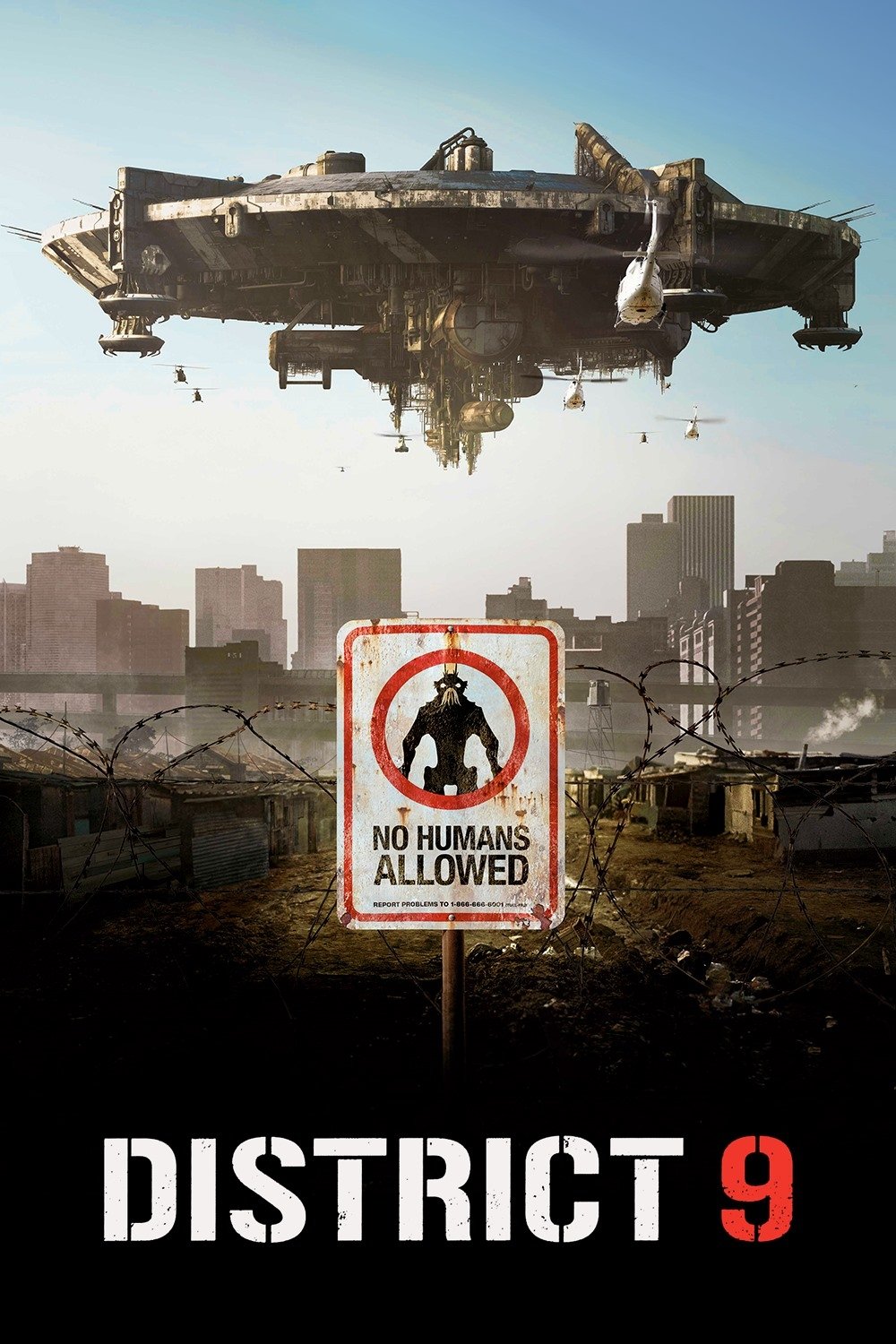
What the Film Is About
My first encounter with “District 9” pulled me into a vortex of discomfort and empathy that lingered long after the credits rolled. I’ve always gravitated toward films that upend my expectations, challenge my ethical compass, and leave me with more questions than answers. In this gritty science fiction tale, what moved me most was the deep sense of alienation—not just for the so-called “prawns” stranded on Earth, but for the humans who lose or find their humanity in the shadow of this extraordinary encounter. The film’s emotional journey is shaped by a central conflict that feels painfully terrestrial: the compulsion to other, to segregate, to dominate. Watching the main character’s transformation, both physically and morally, I found myself wrestling with my own capacity for judgment and empathy.
“District 9” offers not only a bleak look at the machinery of bureaucracy and xenophobia but also a flicker of hope that emerges through unlikely alliances and acts of individual courage. For me, the narrative direction was never really about alien versus human—it was always about what constitutes the boundaries of compassion and understanding, and how quickly they can be redrawn by fear or need.
Core Themes
What continues to make “District 9” resonate for me is its unflinching exploration of power, prejudice, and moral ambiguity. I see the film as a meditation on how easy it is for institutional systems—governments, corporations, militaries—to rationalize cruelty in the name of progress or safety. Through the lens of science fiction, I found myself confronted with timeless questions about who gets to belong in society, and who is left to the margins.
Identity emerges as an aching theme throughout. I felt jolted, in a visceral way, watching the protagonist’s transformation, which blurs the already thin lines between “us” and “them.” It’s not just the physical mutation; it’s the way he’s cast out by the very society he helped oppress. This involuntary crossing of boundaries forces a reckoning—with power, with empathy, and with the human tendency to dehumanize what we fear or fail to understand.
As I reflect on the climate of 2009—the global recession, anxieties over immigration, and renewed attention on racism and class—I see why the film struck a nerve. It tapped directly into contemporary anxieties about displacement and “the other.” And to me, what’s staggering is how these themes stubbornly persist, making the film as relevant today as it was at its release. The struggle between exploitation and solidarity isn’t unique to any country or era; it’s a recurring thread in human history, endlessly re-woven with each new crisis or encounter.
Symbolism & Motifs
What I cherish about “District 9” is how it uses its science fiction palette to craft potent visual metaphors. There’s nothing subtle about the imagery of the alien slum, yet I found this bluntness effective in making me face the ugly reality of enforced segregation. The rickety, confined quarters of the “prawns” physically embody their social exclusion—a motif that haunted me long after.
I found the persistent motif of transformation particularly poignant. The protagonist’s physical mutation functions as a living, painful symbol of empathy born from suffering. His body literally bridges two worlds, and I felt this mutation is less about horror and more about uncomfortable enlightenment. He becomes a living testament to the porous boundaries between oppressor and oppressed.
Weapons and biotechnology also serve as symbols of both hope and danger. The alien devices, coveted by the authorities, represent humanity’s relentless hunger to control and weaponize the unknown. This pursuit strips away morality and exposes the predatory face of progress, making me question where the line truly lies between technological advancement and ethical decay.
Even the setting—a fenced-in shantytown cast in gray and brown—evoked, for me, memories of apartheid South Africa, refugee camps, and any place where difference becomes justification for containment. These spaces don’t just contain bodies; they contain all the dreams, histories, and dashed hopes of their inhabitants. The constant presence of cameras and surveillance reminded me how easily suffering can become a spectacle, reinforcing detachment rather than fostering compassion.
Key Scenes
Key Scene 1
What struck me most early on is the eviction sequence, captured through news footage and handheld cameras. This isn’t just a narrative device—it’s a window into the bureaucracy of oppression. For me, this scene crystallizes the film’s central message: the casual cruelty of those empowered by rules and regulations. The protagonist’s initial indifference, even as he enforces the eviction, is chilling in its ordinariness. Here, I found myself confronting uncomfortable truths about complicity—how easily we can become agents of harm simply by following orders or preserving our own comfort.
Key Scene 2
There’s a moment of brutal clarity when the protagonist, now physically transformed, shuffles between two worlds and finds himself hunted by both. I found this scene to be emotionally wrenching, as it lays bare the hypocrisy and fear at the heart of societal boundaries. No longer fully human, but not fully alien, he becomes a living target for the very bureaucracy he once served. To me, the scene crystallizes the film’s challenge to fixed identities and static loyalties. It’s an agonizing meditation on exile,—not just from society, but from oneself.
Key Scene 3
The final moments between the protagonist and the alien father and son linger in my memory as a rare point of grace in the film’s bleak landscape. There’s no tidy resolution, but as the protagonist chooses self-sacrifice over survival, I saw a flicker of redemption. The act isn’t grandiose; it’s modest, almost hesitant, but heartfelt. For me, this scene rewrites the story from one of exploitation to one of empathy and co-resistance. It suggests that even surrounded by violence and dehumanization, acts of solidarity remain possible—and, perhaps, can point toward a different future.
Common Interpretations
When I engage with others about “District 9,” a spectrum of interpretations emerges, though most circle around its allegorical nature. The dominant reading is that of a political allegory—a commentary on apartheid and lingering systems of segregation, with the aliens as stand-ins for oppressed minority groups. I see this interpretation as inescapable, especially given the film’s South African setting, but what amazes me is how this allegory isn’t just historic—it feels contemporary, reflecting ongoing issues of xenophobia, state violence, and forced displacement.
Some viewers stress the film’s critique of the military-industrial complex, pointing to how “the other” becomes valuable only when their suffering can be monetized or weaponized. Personally, I’m drawn to this layer of the film; it exposes the cold logic underpinning so many injustices perpetrated in the name of security, science, or economic gain.
A third, equally compelling interpretation I often hear is existential. For these viewers, the film is less about society and more about the individual’s crisis of self—the terror and liberation that come from losing everything that anchors one’s sense of belonging. I find this reading extremely potent in the protagonist’s harrowing journey as he becomes everything he once feared and despised, underscoring the instability of identity.
I’ve also encountered interpretations centered on the film’s depiction of media and public spectacle. The found-footage elements and constant surveillance grant the viewer a perch of voyeurism, forcing us to question our willingness to watch, judge, and consume real suffering as entertainment. This interpretation presses me to recognize my own complicity, as both a viewer and participant within systems of spectacle.
Films with Similar Themes
- Children of Men – I often pair this film with “District 9” because both tackle themes of segregation, state violence, and the dehumanizing effects of crisis. “Children of Men” wrestles with a world that has lost hope, and I see both films as meditations on what happens to solidarity and empathy in desperate circumstances.
- Elysium – Directed by Neill Blomkamp as well, this film similarly critiques social stratification, portraying a privileged elite literally removed from an impoverished underclass. The stark visuals and focus on access to resources remind me of “District 9″‘s exploration of institutionalized inequality.
- Blade Runner – When I watch “Blade Runner,” I’m drawn into questions about what it means to be human and who gets to decide who has value. Its themes of identity, corporate power, and moral ambiguity closely parallel the dilemmas at the heart of “District 9.”
- The Battle of Algiers – While not science fiction, this classic mirrors “District 9” in its unflinching look at occupation, resistance, and the psychological damage of systemic oppression. Both films use documentary-style techniques to immerse viewers in the lived reality of those caught in the machinery of power.
Ultimately, my experience with “District 9” is a testament to the power of genre cinema to illuminate uncomfortable truths about society and self. The film doesn’t allow me to rest in easy binaries of good and evil, victim and oppressor. Instead, it asks me to recognize how fragile the distance is between “us” and “them”—how readily empathy can be throttled by fear, and how heroism might look like simple acts of listening or solidarity. While anchored in the specific history of South Africa, its questions reach outward, urging every viewer to examine how prejudice, power, and hope play out in our own era. In grappling with the messy intersection of humanity and otherness, I feel the film insists that real change begins when we refuse to look away—from suffering, from injustice, and from the possibility of transformation.
After learning the historical background, you may also want to explore how this film was received and remembered.