
What the Film Is About
Every time I return to Eyes Without a Face, I’m struck less by the specifics of its plot than by the persistent sense of longing, dread, and inescapable sorrow that courses through every frame. For me, this film isn’t simply a tale about a mad surgeon and his disfigured daughter—it’s a deeply emotional meditation on the unbearable burden of obsession and the desperate ache to reclaim what’s been lost. The narrative orbits around the existential conflict between the forceful will to heal and the moral lines inevitably crossed in service of that will. Rather than framing these characters as outlandish or distant, I always feel a profound ambivalence, a discomfort that comes from recognizing both the monstrous and the remarkably human in their actions.
What resonates with me most is the quiet devastation at the film’s core. There’s an ever-present tension—a daughter trapped in a new, inhuman identity, a father devoured by remorse and compulsion, and an accomplice torn between loyalty and horror. Ultimately, Eyes Without a Face isn’t about villainy or victimhood alone, but about the cost of love, grief, and the things we do when the world shatters our sense of wholeness.
Core Themes
Above all, I see Eyes Without a Face as a study of obsession and the corrosive power of unchecked devotion. The film’s central dynamic—between a parent desperate to restore a daughter’s mutilated face—pushes at the boundaries of morality, medical ethics, and identity. What does it mean to love someone to the brink of their own annihilation? I’m always intrigued by how the film invites us to empathize with the father’s agony and yet recoil at his actions, exposing the tangled knot where love becomes possessive, even destructive.
Identity is another theme I return to again and again. The daughter’s masked existence ignites questions about what defines us when everything visible is erased. Watching her drift through shadowy corridors, her mask obliterating every trace of emotion, I’m forced to confront the devastating effect of alienation, both exterior and internalized. For me, her facelessness becomes a harrowing metaphor for the ways grief and trauma can rob us of our sense of self.
Releasing in 1960, just as the world hovered between the traumas of war and the optimism of scientific advancement, the film’s themes of medical experimentation and dehumanization struck me as both timely and prophetic. The specter of the body as a site of violation, of science overreaching in the name of progress, seems even more pressing today as we grapple with questions of surgical ethics, autonomy, and the meaning of beauty in a digital, image-driven culture.
Violence, too, is handled with a poetic delicacy—as if to remind me that the most enduring wounds are often those we cannot see. Love, power, and sacrifice are all tangled together, just as they so often are in real life, refusing to let me assign clear blame or simple solutions. In all of this, I find the film quietly but powerfully illustrates the limits of control over fate, over the human body, and over the messiness of loss.
Symbolism & Motifs
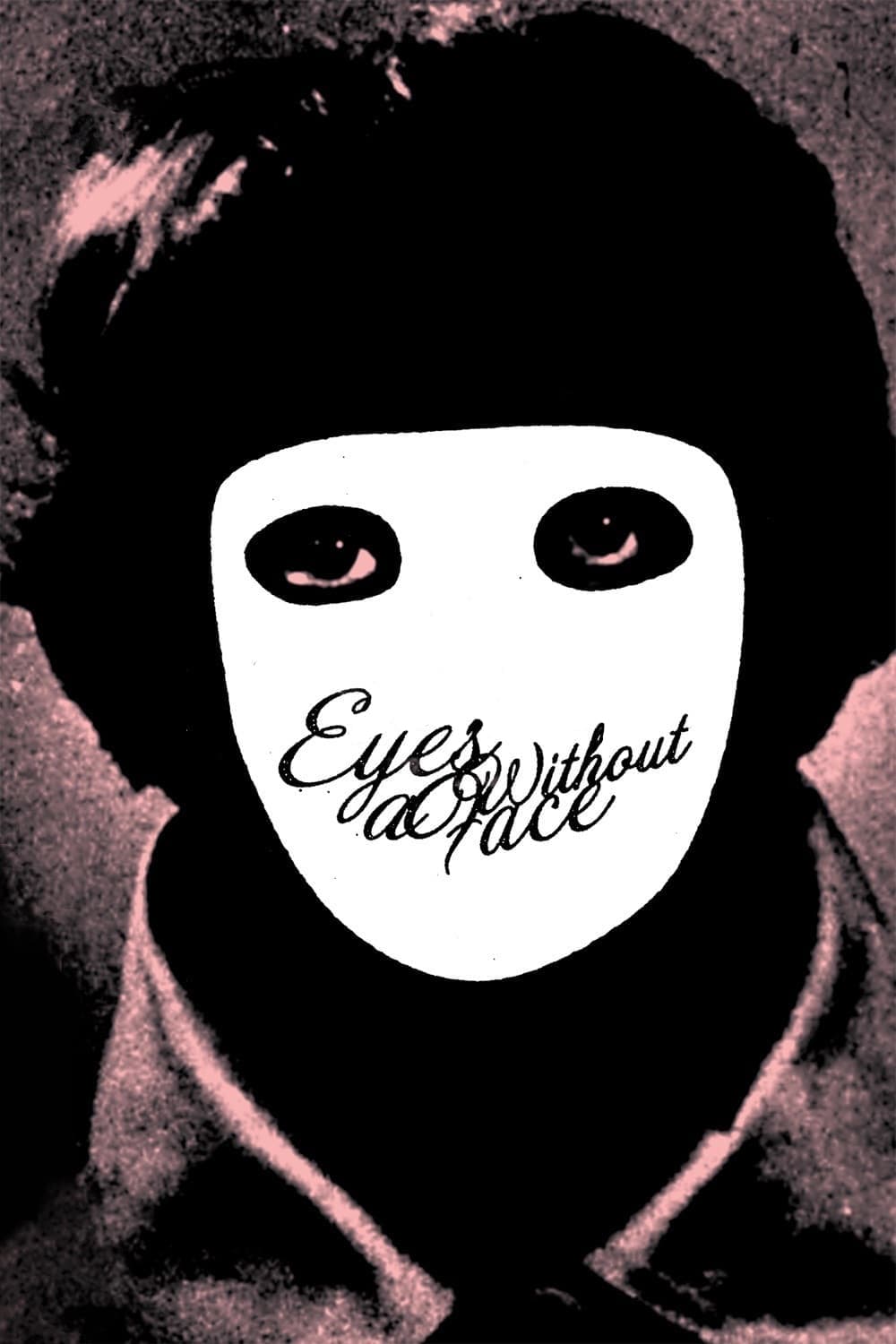
What lingers with me long after each viewing is the film’s obsessive use of visual symbols and haunting motifs. The mask—smooth, porcelain, blank—serves not only as a literal covering for the daughter’s disfigurement but as a stand-in for every unspoken sorrow or suppressed identity. When she glides silently through the house, her mask transforming her into a living statue, I sense the unbearable tension between appearance and reality, between the desire to be seen and the need to hide.
Mirrors, too, haunt the narrative’s edges. I see characters glimpsed half-reflected, always on the brink of recognition but never fully at home in their own skin. The motif of hidden passageways—through doors, under stairs, in laboratory spaces—echoes for me the idea of concealed truths, the labyrinthine routes we take to avoid confronting the pain at our core. These corridors seem to trap everyone, each character a prisoner of the house, of loss, of their own terrible hope.
But perhaps most unnerving is the recurring presence of dogs and caged animals. For me, they symbolize both innocence and captivity. Their suffering and eventual revolt foreshadow the perils of trying to dominate nature, and suggest that cruelty always breeds backlash. This motif resonates with the way I see the film blurring the lines between human and animal, scientist and subject, further deepening its critique of the consequences of treating bodies—loved ones’ or our own—as objects to be remade or mastered.
And through it all, light and shadow reign. Director Georges Franju envelops every room in an eerie glow, hinting at secrets lurking where the sun cannot reach. For me, these chiaroscuro compositions reflect the film’s view of human nature: beauty and monstrosity mingling in the half-light, no one wholly innocent, no sin without some glimmer of tenderness.
Key Scenes
Key Scene 1
The moment that haunts me most—the one I keep returning to in my mind—is the first surgical sequence. This is not simply a shock scene or a moment engineered for horror fans; for me, it’s an emotional crucible. The camera’s unblinking gaze strips away any sense of safety, forcing me to confront the full measure of the father’s mania and the daughter’s resigned suffering. More than just an act of violence, I see it as the literal carving of hope from flesh, an act that exposes the fallout of love untethered from empathy. The sterile white of the operating room becomes suffocating, a paradoxical place of healing and violation, laying bare the dangers of treating living beings as mere objects for repair.
Key Scene 2
A later scene that stands out to me takes place in the almost dreamlike moments when the daughter, masked and ghostly, observes her own portrait—her “lost” face—hanging in the house. It’s a wordless confrontation, but I feel everything essential to the film’s questions about identity and memory expressed in that silent gaze. She is both herself and not, caught between the memory of a former life and the disfigured reality forced upon her by fate and her father’s experiments. The emptiness of her eyeholes—oversized, unblinking—reminds me that to be seen is not always to be known. This moment cements my sense of the film as a tragedy about the distance between inside and outside, between soul and surface.
Key Scene 3
As the film nears its end, there’s a sequence where the daughter finally walks into the night, dogs swirling around her, mask intact, but for the first time, unshackled from her father’s designs. To me, this is less a moment of resolution and more a symbolic breaking of the cycle—an ambiguous, bittersweet release. The animals’ escape mirrors her own, suggesting nature’s will toward freedom outlasting any human bid for control. In that simple act of walking away, I recognize not only her agency reclaimed, but a final commentary on the impossibility of erasing pain without also erasing personhood. The wistful, almost dreamlike tone of this scene lingers for me as the film’s ultimate statement: freedom comes at the cost of innocence, and the pursuit of perfection leaves only ghosts in its wake.
Common Interpretations
When I talk to other film lovers or read critical essays about Eyes Without a Face, I’m always struck by the diversity of interpretations—and yet, some patterns always emerge. Many critics view the film as a parable about the limits of scientific ambition, arguing that it exposes the inhumanity lurking in the heart of “saving” others at any cost. This reading resonates with me, especially given the era of medical breakthroughs and Cold War anxieties that surrounded its release. There’s a sense that the film warns against playing god, and that such meddling inevitably results in suffering for all involved—not just the intended beneficiary.
Others see it through the lens of feminist critique. I find it compelling to consider how Christiane’s plight mirrors societal pressures on women to conform, to be beautiful, to erase blemishes at all costs. The mask she wears becomes a symbol, for many viewers, of the burdens of female appearance, the silencing of women’s pain, and the objectification at the heart of so much medical and societal intervention. I, too, see the father’s project as both an act of love and a sinister attempt to impose his own image of perfection onto his daughter, stripping her of agency along the way.
For some, the film is fundamentally about grief—the inability to let go of the past, the desperate efforts to hold onto what’s irretrievably lost. That’s the reading that resonates most powerfully with my own feelings about the film: at bottom, it is a story of longing, of mourning made monstrous, and of the terrible things people do to avoid facing the reality of irreversible change. Whether interpreted as horror, tragedy, or social parable, I find the film’s ambiguity—its refusal to settle for one single meaning—its greatest asset and its deepest human truth.
Films with Similar Themes
- Pandora’s Box (1929) – I recognize in Louise Brooks’s tragic heroine a similar fixation on beauty, identity, and the destructive gaze of others. Both films ask what happens when a woman becomes more symbol than self.
- The Skin I Live In (2011) – Pedro Almodóvar’s haunting film directly echoes the surgical obsession and mask motifs of Eyes Without a Face, exploring autonomy, transformation, and the ethics of reshaping bodies for love or revenge.
- Frankenstein (1931) – Every time I see the doctor’s pursuit of forbidden knowledge and the unintended suffering it unleashes, I’m reminded of Dr. Génessier’s reckless genius and the monstrous consequences of trying to master nature.
- Vertigo (1958) – Hitchcock’s meditation on obsession and the molding of another’s identity feels intimately connected to Eyes Without a Face. Both films revolve around men who attempt to recreate women according to an impossible vision, with ruinous results.
Reflecting on everything that Eyes Without a Face makes me feel, I keep circling back to the idea that human nature is rarely simple. Love, grief, obsession, beauty—the film threads these through its wounded characters without excusing or condemning them outright. I come away feeling both disturbed and moved, haunted by the notion that our efforts to repair what’s broken can sometimes deepen the wound. Made just as modern anxieties about science and identity were beginning to surface, the film remains a potent reminder of how easily compassion veers into control, and how the true horror often lies not in monsters, but in the desperate, everyday acts of those who love too much and let go too little.
To explore how this film has been judged over time, consider these additional viewpoints.