
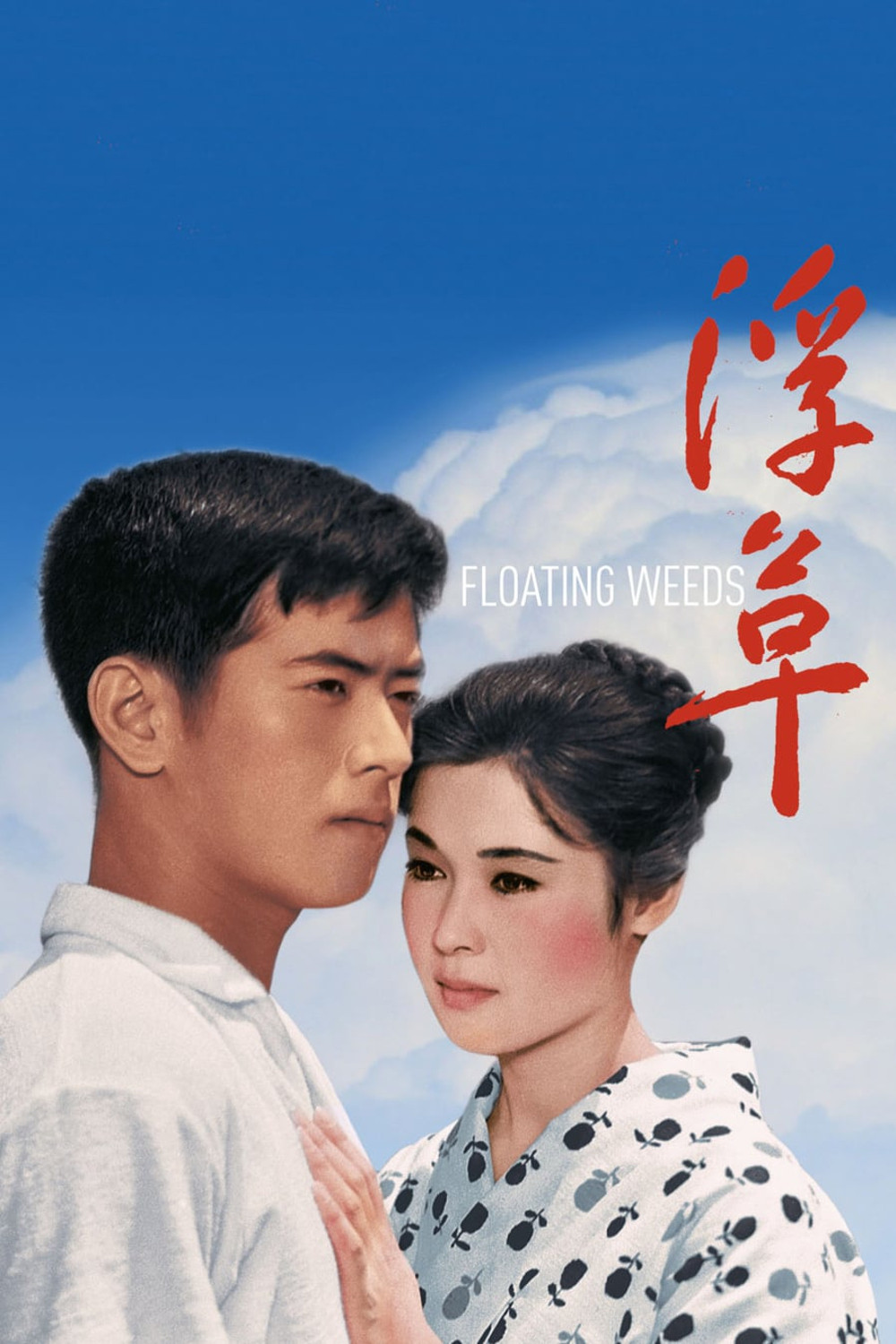
What the Film Is About
To me, “Floating Weeds” is a meditation more than a drama—a slow-burning contemplation about families, choices, and the fleetingness of our roles in each other’s lives. I didn’t approach it expecting bombastic confrontation or swift resolution. Instead, I was drawn into the currents of unresolved relationships and the emotional undercurrents that threaten, and sometimes quietly upend, the fragile peace each character has built for themselves. What struck me most is how director Yasujirō Ozu uses a seemingly quiet tale of a traveling acting troupe to unspool thorny questions: What do we owe to those we love, and can a person ever outrun the consequences of old decisions?
Throughout much of “Floating Weeds,” I sensed that the true conflict isn’t just between lovers, parents, and children—it’s between the masks we wear and the truths we can’t quite suppress. Watching these figures orbit each other, weighed down by unsaid things and longing, I felt less like a witness to a plot than an observer of shifting tides in a pond—each ripple, each silence, each stolen glance all hinting at deeper turmoil beneath the calm. The narrative, for me, isn’t a story to follow so much as an emotional journey to experience, one that lingers with the ache of missed connections and the quiet cost of self-delusion.
Core Themes
The question that I kept returning to during and after the film is: How do we reconcile the facts of our lives with the stories we tell about who we are? “Floating Weeds” is, for me, an exploration of identity—not merely in public, theatrical sense, but in the intimate, private struggle to hold onto our chosen roles. Ozu’s fascination with the impermanence of connection comes through in every gesture and framing choice. The traveling actors are, in my eyes, a stand-in for all those who drift through life trying to stitch together meaning from shifting circumstances and changing alliances.
At its heart, I found the film preoccupied with the gravity and fragility of familial ties. Questions of fatherhood, loyalty, and generational expectation are pressed between moments of stillness and confrontation. Ozu’s approach is never doctrinaire; he lets ambiguity breathe, making me, as a viewer, acutely aware of the gap between intention and result. The sense of impermanence—the idea that our lives, like the actor’s performances, are transient—felt especially piercing. Released in postwar Japan, with its anxieties about modernization and fading tradition, the film’s themes hit me as both particular to its moment and timeless. That ache of watching people try, and often fail, to change is something I still see reflected in the stories and societies swirling around me now.
There’s also a subtle thread about art versus reality. I was struck by how the itinerant troupe’s stories echo their personal dramas, blurring entertainment and life until neither seems entirely real or staged. The film seems to ask: Is there a place—outside of performance—where truth can exist without pain or consequence? It’s a question that still feels essential to me, living in an age where performance, in public and private, seems more omnipresent than ever.
Symbolism & Motifs
Repeated motifs in “Floating Weeds” are the lifeblood of how I understood its deeper meanings. The motif of movement—boats gliding, actors drifting town to town—embodies a restlessness I can relate to when thinking about the places and identities I’ve cycled through in my own life. The traveling troupe, constantly setting up and tearing down their makeshift stage, became for me a visual metaphor for life’s improvisational demands: nothing fixed, everything vulnerable to the weather and whim.
The ever-present rain and the slow, bathing sunlight serve as reminders of both renewal and melancholy. There’s a motif of distance—characters separated by shoji screens, by the angles of Ozu’s camera, or by the simple act of looking away when words get too painful. When I notice this, I see not just physical distance, but emotional and generational divides: what cannot be said, what cannot be bridged.
Objects are never just background in “Floating Weeds.” The fans, costumes, and props of the actors carry double meanings; they are both tools of their trade and the last vestiges of dignity, memory, and hope. The red umbrella, in particular, becomes haunting for me: a splash of color amid gray realities, a symbol of fleeting shelter in a world capable of sudden rain. Each time it appears, I’m reminded of how beauty and pain, ritual and improvisation, coexist in the everyday.
Key Scenes
Key Scene 1
When I recall the film, one quietly devastating scene stands paramount: the wordless exchange between Komajuro and his son, seen through the trembling light of late afternoon. It’s not a moment of confrontation but of aching almost-recognition. Here, Komajuro is both present and absent, a man torn by his inability to claim his true connection. I found myself holding my breath, aware that everything said and unsaid in this moment underscores the film’s longing for honesty where honesty is impossible. It’s a moment, for me, in which the burdens of pretense and regret come to the surface—an emotional crossroads that tells me more about these characters than any verbal admission could.
Key Scene 2
Another scene I can’t forget involves the intersection between art and reality: when Sumiko, Komajuro’s lover, confronts him against the backdrop of a deserted playhouse. I was struck by the visual irony; their personal conflicts unfold on a literal stage—blurring the line between performance and private pain. It’s a moment that encapsulates one of the film’s core themes for me: how the public masks we wear eventually corrode our private truths. The empty theater echoes with all the failed reconciliations and vanished ambitions, making it, in my eyes, a bitter tribute to the price of maintaining illusions. Watching this, I feel the weight of unsustainable self-deception—the remnants of dreams that cannot, and perhaps should not, be revived.
Key Scene 3
The final departure, with the troupe’s worn-out caravan moving away from the town, left me with an unsettling sense of both relief and loss. For me, this was more than a physical exit—it felt like a surrender to the ephemeral nature of connection and the impossibility of closure. The cycle, I realized, would begin anew somewhere else. I saw in this an acceptance of impermanence that haunts much of Ozu’s work. Their leaving is not triumphant or tragic; it’s simply inevitable. That, to me, is the film’s sober wisdom: sometimes we can only cherish a moment, knowing it will slip away, like weeds floating downstream.
Common Interpretations
I’ve encountered several schools of thought on “Floating Weeds,” and, like all great art, its ambiguity seems to invite as much disagreement as insight. Many critics, I’ve noticed, respond to Ozu’s treatment of family—especially the estrangement between fathers and sons—as a metaphor for Japan’s fractured relationship with tradition and modernity. Some see the film as a lament for the loss of stable, old-world roles. I certainly felt the anxiety about what happens when old structures (familial, societal, artistic) begin to disintegrate.
Others, though, respond more to the existential undertone: for them, “Floating Weeds” is about the essential loneliness of all human endeavor—the futility of hoping for resolution in a world marred by change and impermanence. This reading makes a lot of sense to me, especially considering the drifting nature of the troupe and their perpetual outsider status. There’s a recurring interpretation among some Western viewers that the film emphasizes the universality of longing—for connection, meaning, or redemption—regardless of cultural context. That idea resonates with my own viewing; while the setting is distinctly Japanese, the emotional territory feels borderless.
Occasionally, I come across viewers who see the film primarily as a critique of performance—how we all put on “plays” to maintain our roles in the eyes of others. While some believe this reading overshadows the movie’s familial heart, I think both perspectives inform one another, creating a richer, more layered experience. Whether “Floating Weeds” is read as personal confession, social critique, or philosophical meditation depends, I suspect, on what each of us brings to those quiet, beautifully composed frames.
Films with Similar Themes
- Tokyo Story – To me, this Ozu masterpiece echoes “Floating Weeds” in its heartbreaking meditation on family, generational alienation, and the ache of fleeting domestic harmony.
- Late Spring – This film also moves me with its nuanced depiction of parent-child bonds and the impossibility of preserving innocence or togetherness as the world relentlessly changes.
- Cold Water – Olivier Assayas’ portrait of adolescent drift and generational tension felt, to me, like a French cousin to Ozu’s sense of impermanence and emotional estrangement.
- Ikiru – Kurosawa’s exploration of one man struggling with mortality and meaning in a changing society mirrors for me the existential urgency I find in the struggles of Ozu’s characters.
What stays with me, long after watching “Floating Weeds,” is the gentleness with which it offers a truth about human nature: that our lives are filled with well-intended roles we can never fully uphold, and that it’s the ordinary, fleeting moments—the silences, the glances, the small kindnesses—that define who we become. Ozu’s world, as I see it, resonates with quiet acceptance of disappointment, but also with a reverence for the beauty that flickers amid impermanence. Living in a time of relentless change and uncertainty, I recognize myself in those drifting actors, searching for belonging and purpose, knowing that no stage—no matter how lovingly assembled—can shield us from the gentle, inescapable pull of time.
After learning the historical background, you may also want to explore how this film was received and remembered.